
Your heart health does not improve when you cut all the fat from your plate. It improves when you know which ones to keep and how they help your body thrive. For years, fat has been blamed for heart disease. Now, experts say that is old news. The right fats can protect your heart and even improve your cholesterol.
Not all fats are created equal. Some hurt your body, others help it work better. Your body needs fat to build cells, make hormones, and keep things running smoothly. The trick is to eat smart, not scared.
Unsaturated fats come from olive oil, nuts, seeds, fatty fish, and even avocados. They raise your good cholesterol (HDL) and lower the bad (LDL). That means less gunk in your arteries and better blood flow.
It also helps your blood vessels stay flexible, keeping your blood pressure in check. Plus, they fight inflammation, which is one of the sneaky triggers behind heart disease. So yeah, your heart loves them.
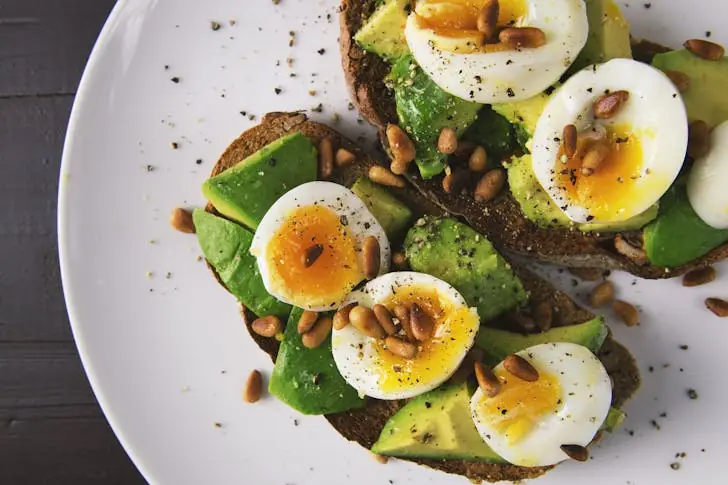
Eggs help balance your LDL and HDL cholesterol levels. The result? A lower risk of heart problems, not a higher one. Just don’t go crazy with the butter or bacon on the side. Keep it clean, and your heart will thank you.
Grass-Fed Beef, If You are Smart About it
You don’t have to give up red meat. Grass-fed beef has more omega-3s than the typical stuff, and it packs in vitamins like A, D, and K. These nutrients play a quiet but powerful role in heart function and circulation.
But remember, moderation wins. Eat grass-fed beef once or twice a week. Skip the overly processed meats like hot dogs or fast food burgers. Your heart can handle beef, just not every day.
Fermented cheeses like cheddar, Gouda, and Swiss contain vitamin K2, which may actually reduce calcium buildup in arteries. That means less risk of clogs and heart attacks.
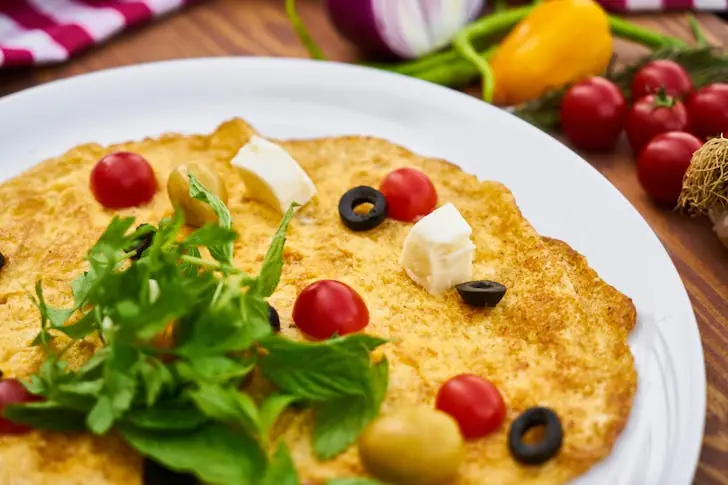
The key is to keep portions in check. Cheese is not a free-for-all, but it is not a villain either. Think a few slices, not half a block.
Olive oil does more than just make veggies taste better. It is loaded with monounsaturated fats and antioxidants. Those fats work directly to lower LDL cholesterol and raise HDL, a perfect combo for heart health.
Olive oil’s antioxidants also calm down inflammation, which means less stress on your heart. Use it for cooking or drizzle it on top of meals. Go for the extra virgin kind, which is the least processed and most powerful.
Fatty Fish
Fatty fish like salmon, sardines, and mackerel are heart health heroes. They are full of omega-3 fatty acids, which reduce triglycerides, slow down plaque buildup, and ease inflammation.
You don’t need to eat fish every night. Just aim for two servings a week. That is enough to get the benefits without burning out. Grilled, baked, or pan-seared, your heart doesn’t care. It just wants those omega-3s.
Olives and Nuts
Olives bring healthy fats and polyphenols, which protect your cells and your heart. Add them to salads or snack on a few. Just watch the salt.
Nuts like walnuts and almonds are another win. They are full of omega-3s, fiber, and plant sterols that help manage cholesterol. One small handful a day is enough. Any more, and the calories start to add up. Heart health is about balance, not overload.